Case Study
Bluumo: Two-Sided Wellness Marketplace
Scale
181,000+
Lines of TypeScript
482
Files
120+
Screens / pages
123
Reusable components
55
Edge functions (Deno)
112+
Service / utility modules
2,199+
Git commits
2
Active payment providers
3 / 7
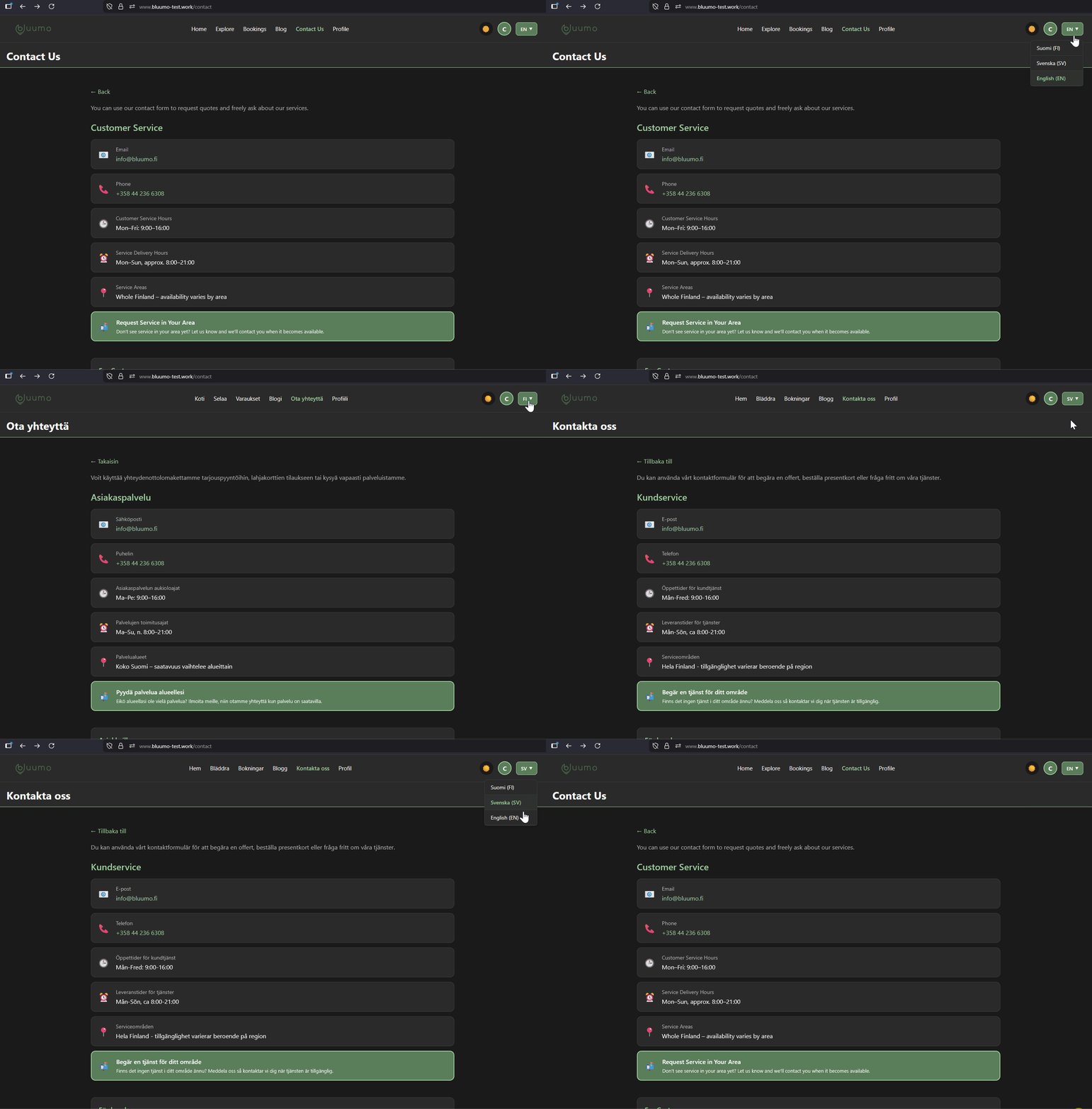
Languages (live / infra)
3,937
Translation keys
13
i18n namespaces
The Problem
The founder was running a wellness services startup with a WordPress brochure site and zero operational capability. Every phone call, appointment, and invoice was handled manually. They needed a production-grade two-sided marketplace - customers finding and booking wellness providers, providers managing their calendars and earnings - across web and native mobile, fast.
What Was Built
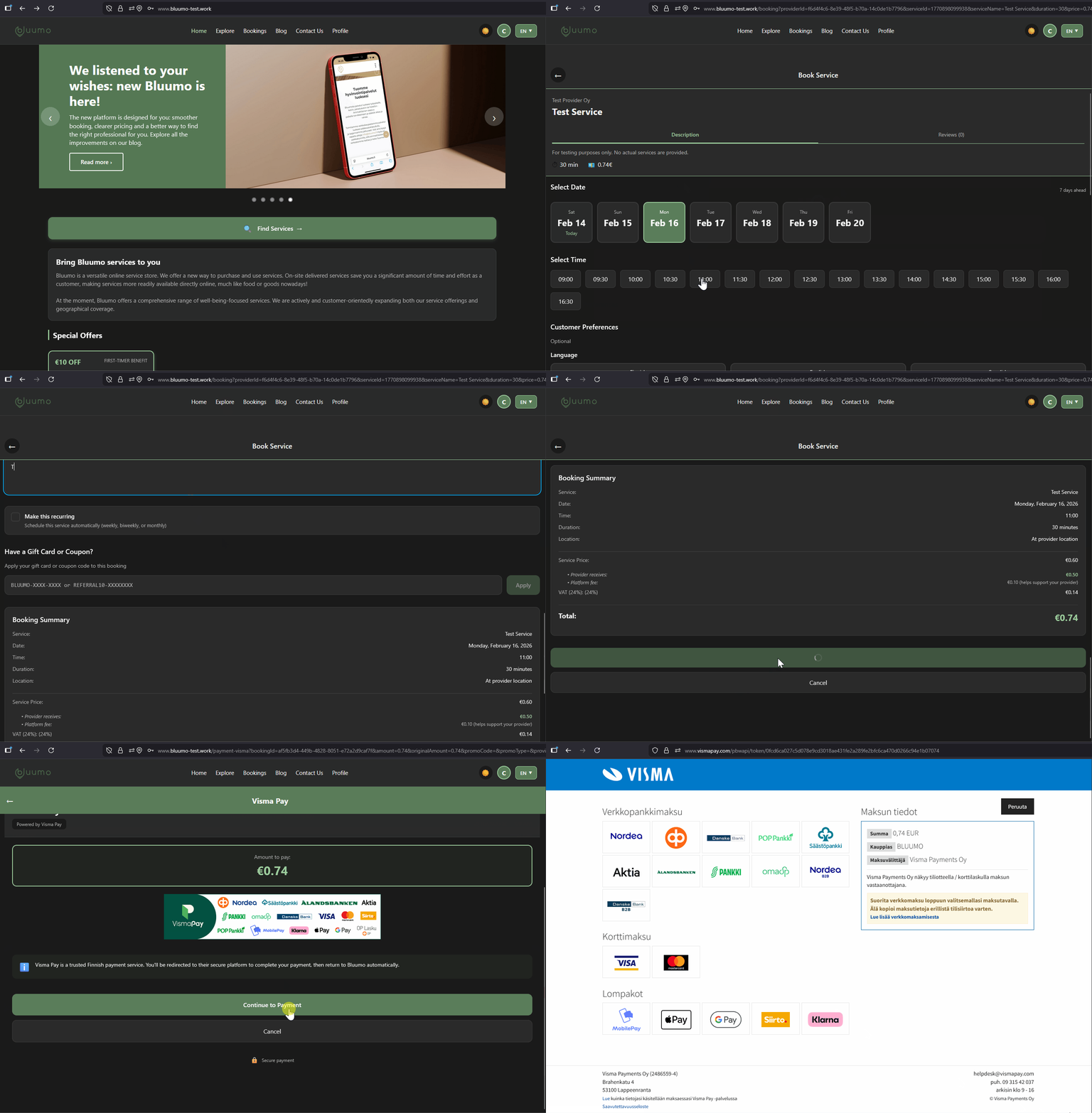
Customer Interface (11+ screens)
- ·Service browsing with category, price, and duration filters
- ·Provider discovery with ratings and comparison tools
- ·Location-based search with interactive maps
- ·Real-time availability and instant booking confirmation
- ·Finnish banking transfers, card payments, MobilePay, Edenred wellness cards, KELA reimbursement support
- ·Recurring booking management
- ·Gift card purchasing with PDF generation
- ·Referral program with automated rewards
- ·Bluumo Plus subscription tier
- ·In-app voice calling via Agora
- ·"Helmi" - AI concierge powered by Claude for booking assistance
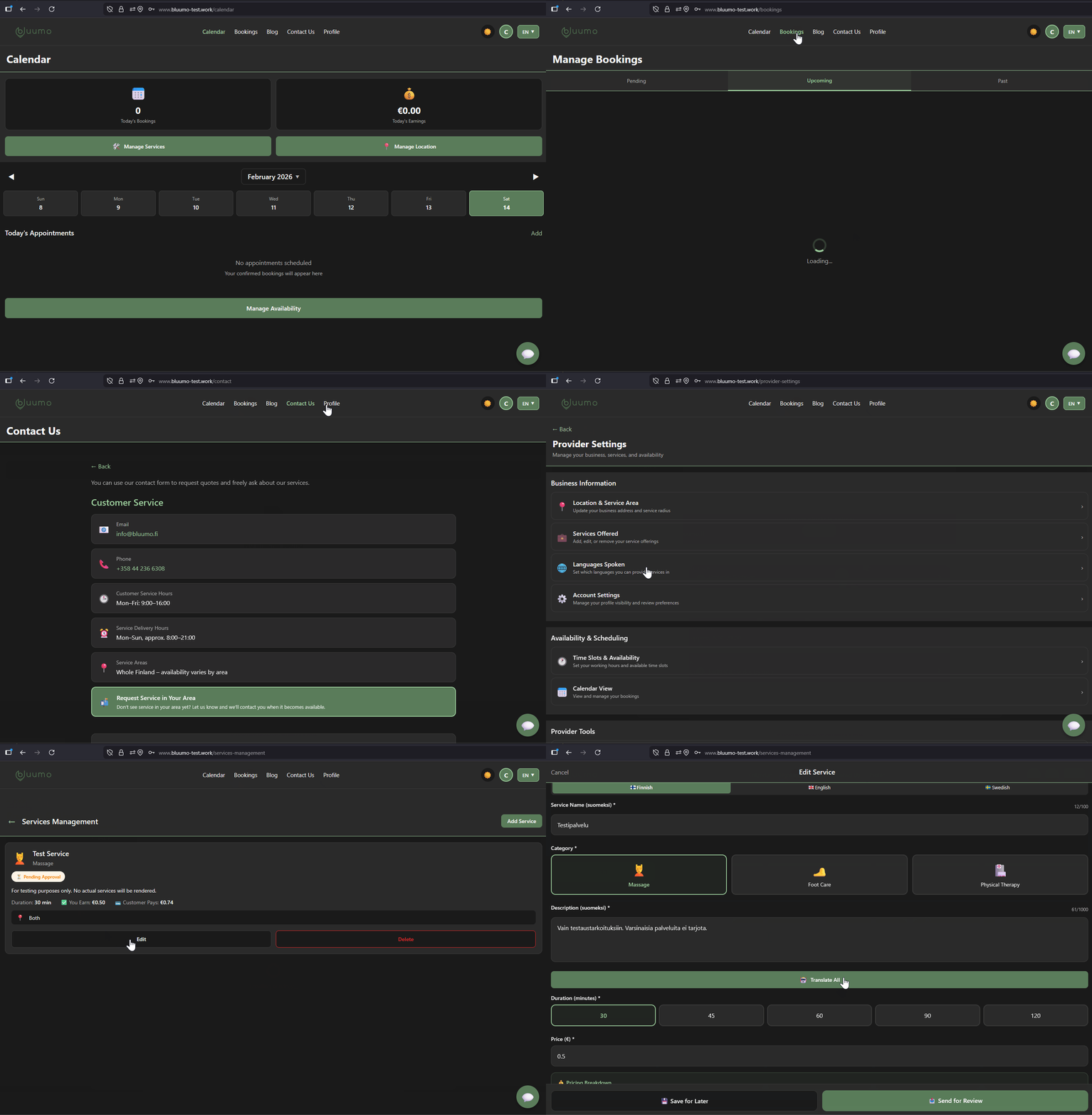
Provider Portal (13+ screens)
- ·Document-based verification onboarding
- ·Multilingual profile management
- ·Visual availability calendar with Google Calendar sync
- ·Dynamic pricing (peak hours, discounts, time-based adjustments)
- ·Real-time booking notifications
- ·Earnings tracking and payout history (Holvi payout infrastructure built, not yet active)
- ·Booking status progression through sub-steps with visual completion indicators
- ·'Mark Complete' action to finalize the provider-side booking workflow
- ·Review management tools and service area configuration
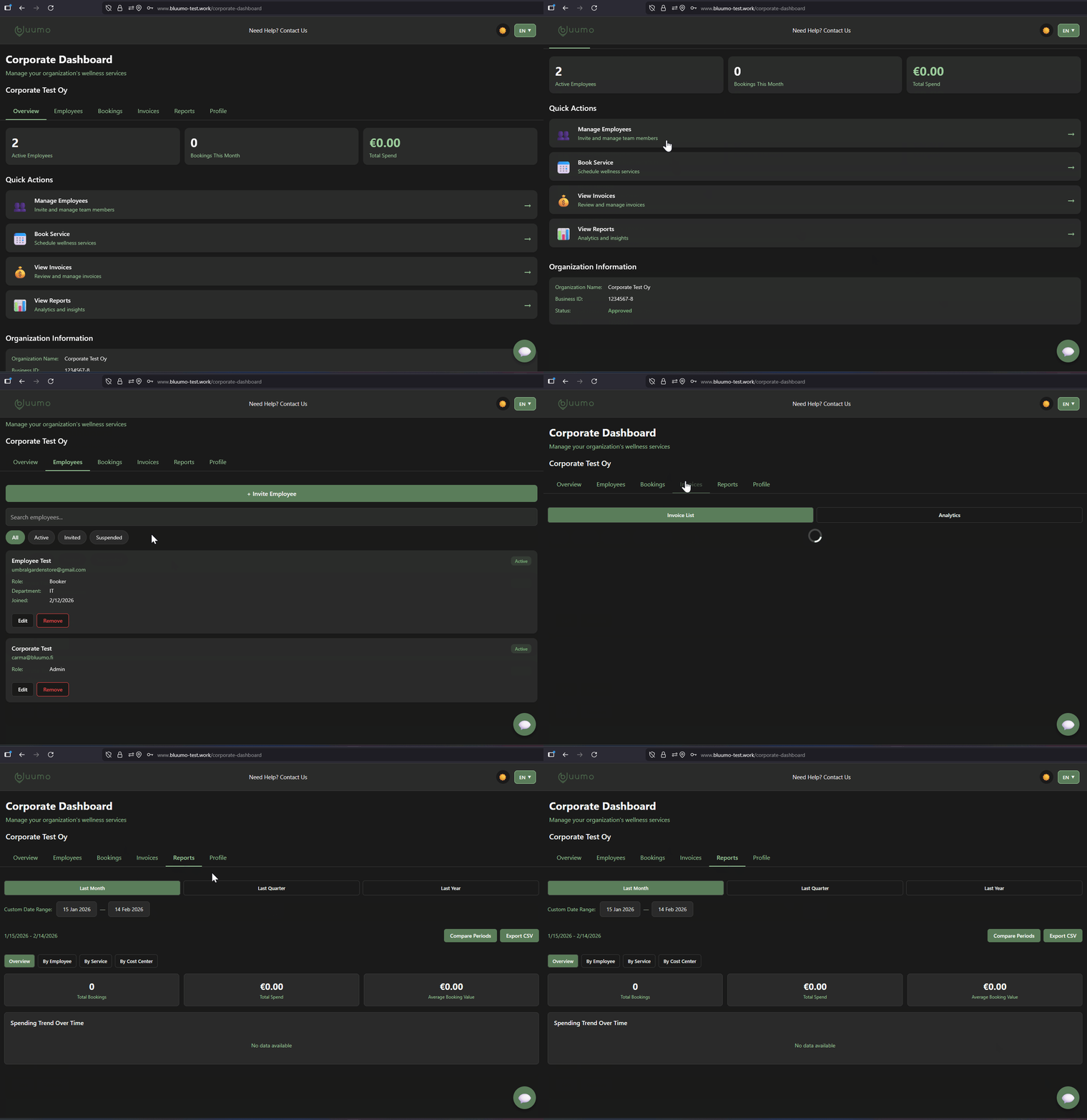
Corporate B2B Portal
- ·Corporate registration with approval workflows
- ·Employee management with bulk operations
- ·Wellbeing day booking (individual and bulk)
- ·Cost center tracking, budget management, manager approval queues
- ·Invoice analytics, usage reporting, automated invoice generation
- ·Quote request system
Admin Dashboard (12 screens)
- ·Platform-wide KPIs and analytics
- ·Provider verification management
- ·Booking oversight and support ticket system
- ·Blog publishing with SEO metadata
- ·Campaign and promotion management
- ·Refund and invoice processing
Screenshots
Technical Architecture
Security Audit (June 2026)
An independent security review in June 2026 identified and resolved a series of vulnerabilities before they reached production scale.
- Server-side payment verification - amounts re-derived from DB, no client-trusted prices
- Booking price floor blocks under-threshold exploit attempts
- JWT verification added to all edge functions
- Promo codes, gift card, and voucher credits honored server-side
- AI chat scoped to session owners via RLS
- Rate limiting on API endpoints
- Blog content XSS sanitization
- GDPR: delayed deletions executed, full data export delivered
- Supabase security advisor warnings: 105 to ~36
Performance
- ->Interaction Next Paint (INP) improved from 1,280ms to under 200ms via StyleSheet memoization
- ->Heavy operations deferred for immediate visual feedback
- ->OTA update support via EAS for instant production patches without app store review