Case Study
Modular Website Framework: One Architecture, Two Distinct Businesses
Overview
Small businesses often need more than a static site - they need a store, an admin panel, image optimization, and email automation - but agency pricing is out of reach and DIY platforms like Squarespace or Shopify are either too limited or too expensive at scale.
I built a reusable architecture that deploys as a fully-customized, branded business site in 3-5 hours. Two live businesses - a kigurumi artisan and a handcrafted goods marketplace - run on the same framework infrastructure while looking and functioning completely differently from each other.
Scale
8 hrs
Initial MVP build
3-5 hrs
Per-site deployment
95+
Lighthouse Performance
40%
Bundle reduction
94.7%
Image compression
WebP pipeline
Example: 902KB -> 48KB
<500ms
DB query target
$0
Monthly infra cost (baseline)
Technical Architecture
The CSS variable theming system is the key to brand differentiation without maintaining separate codebases. Each deployment gets a theme file that maps colors, fonts, and spacing - layout and component logic is shared. Automatic WCAG AA contrast checking runs against theme variables at build time.
What Was Built
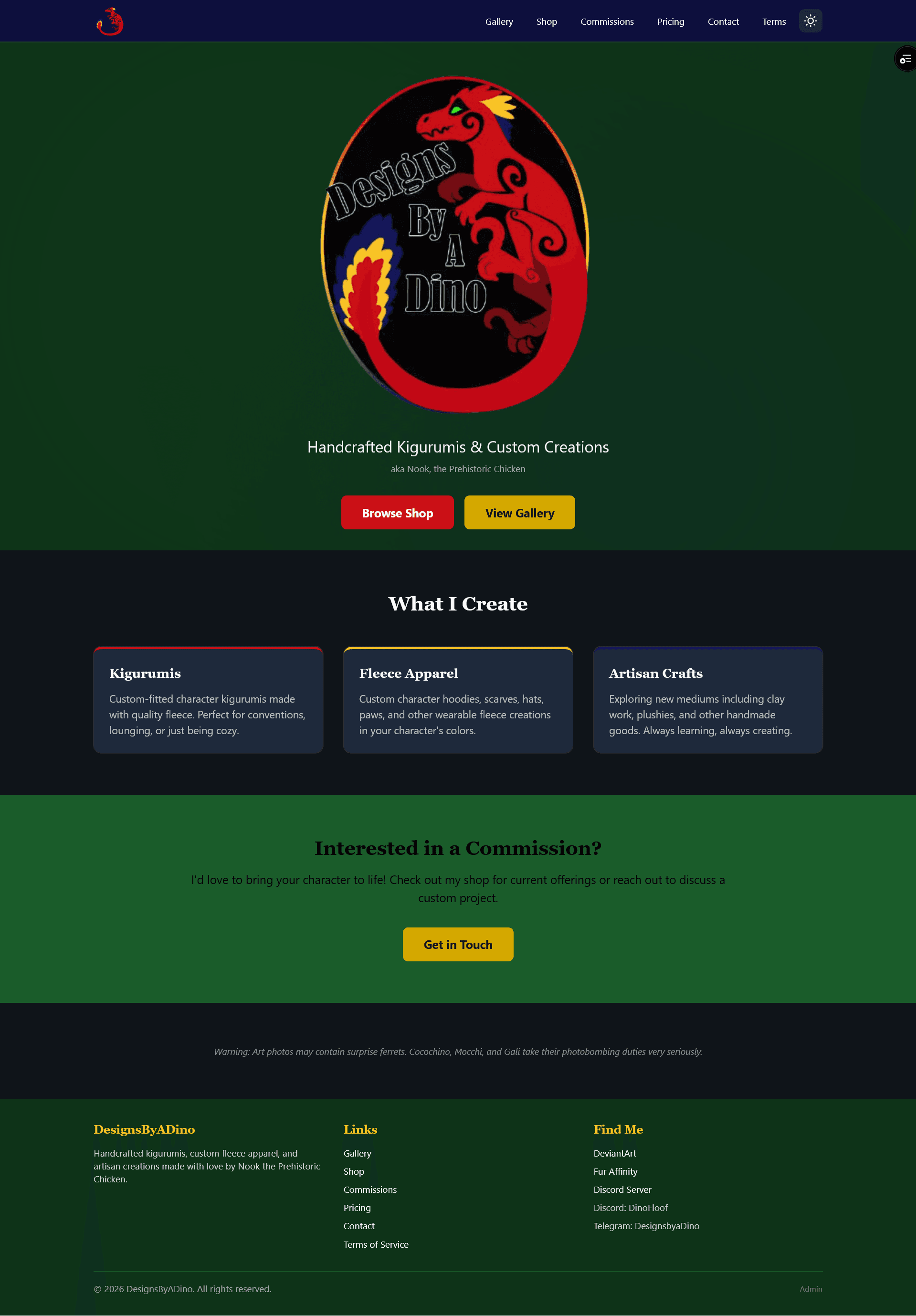
DesignsByADino
designsbyadino.com->Handcrafted kigurumi e-commerce
- ·Product catalog with variant support
- ·Square Payments checkout
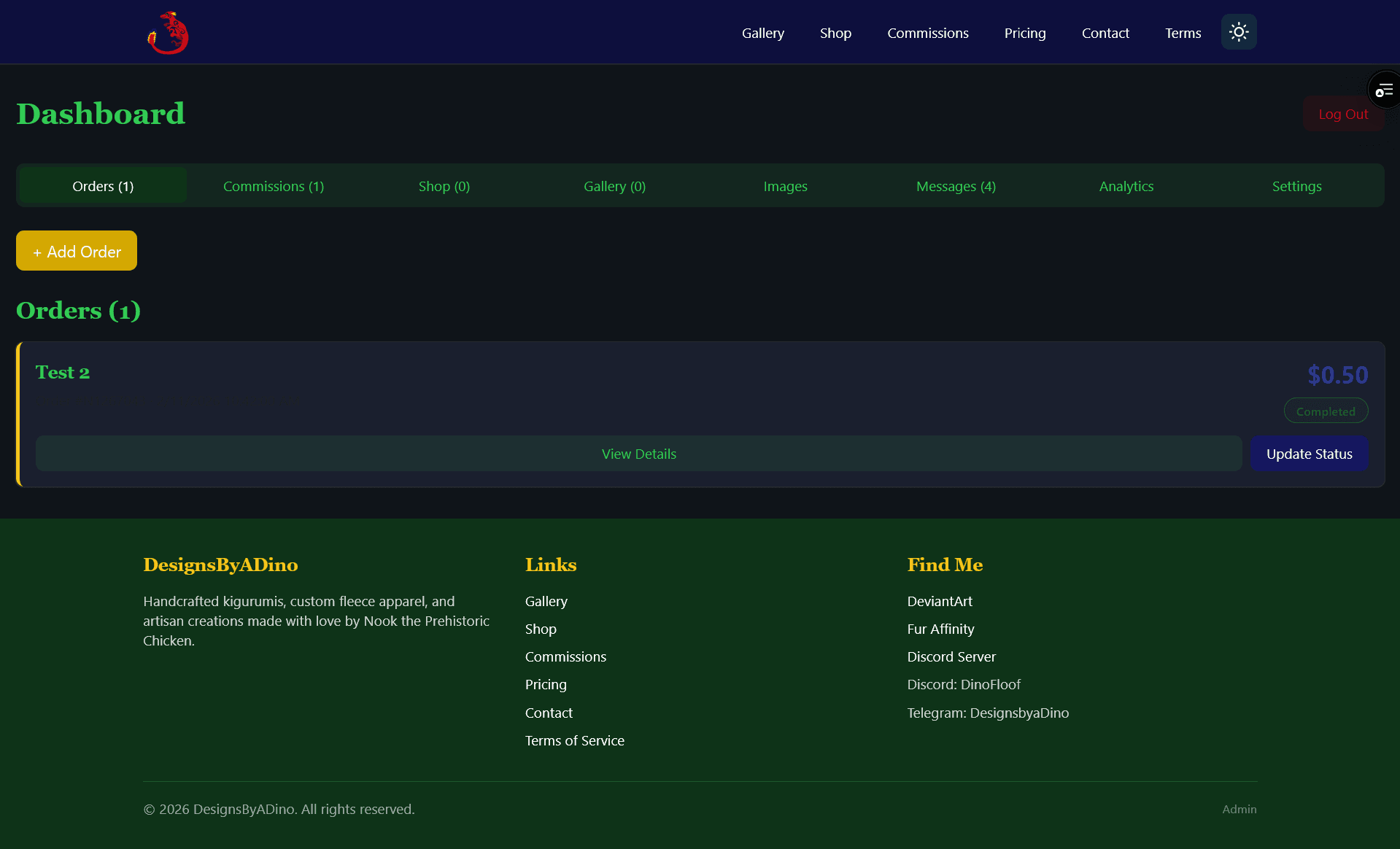
- ·Order management panel
- ·Image gallery with WebP optimization
- ·Automated inventory status

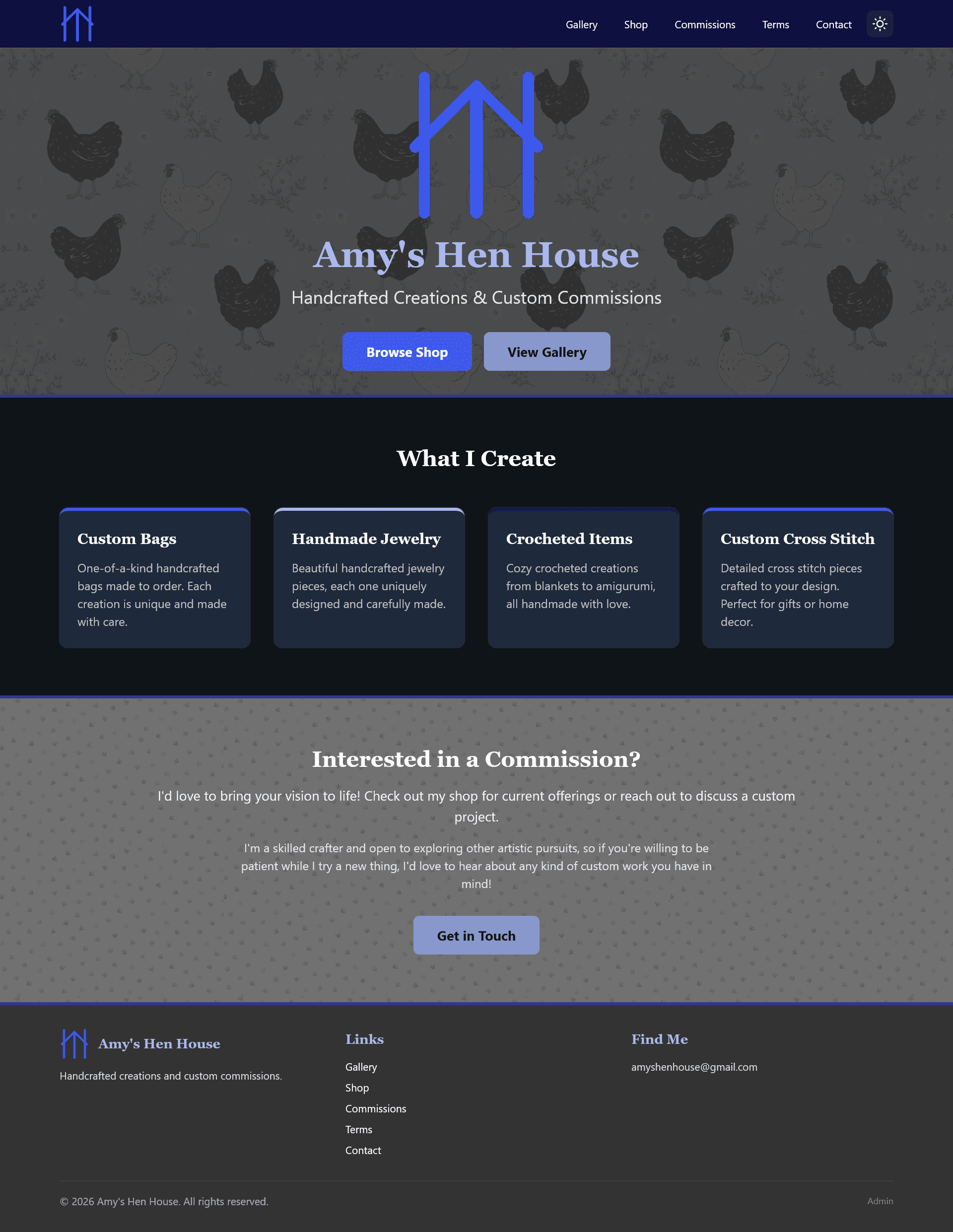
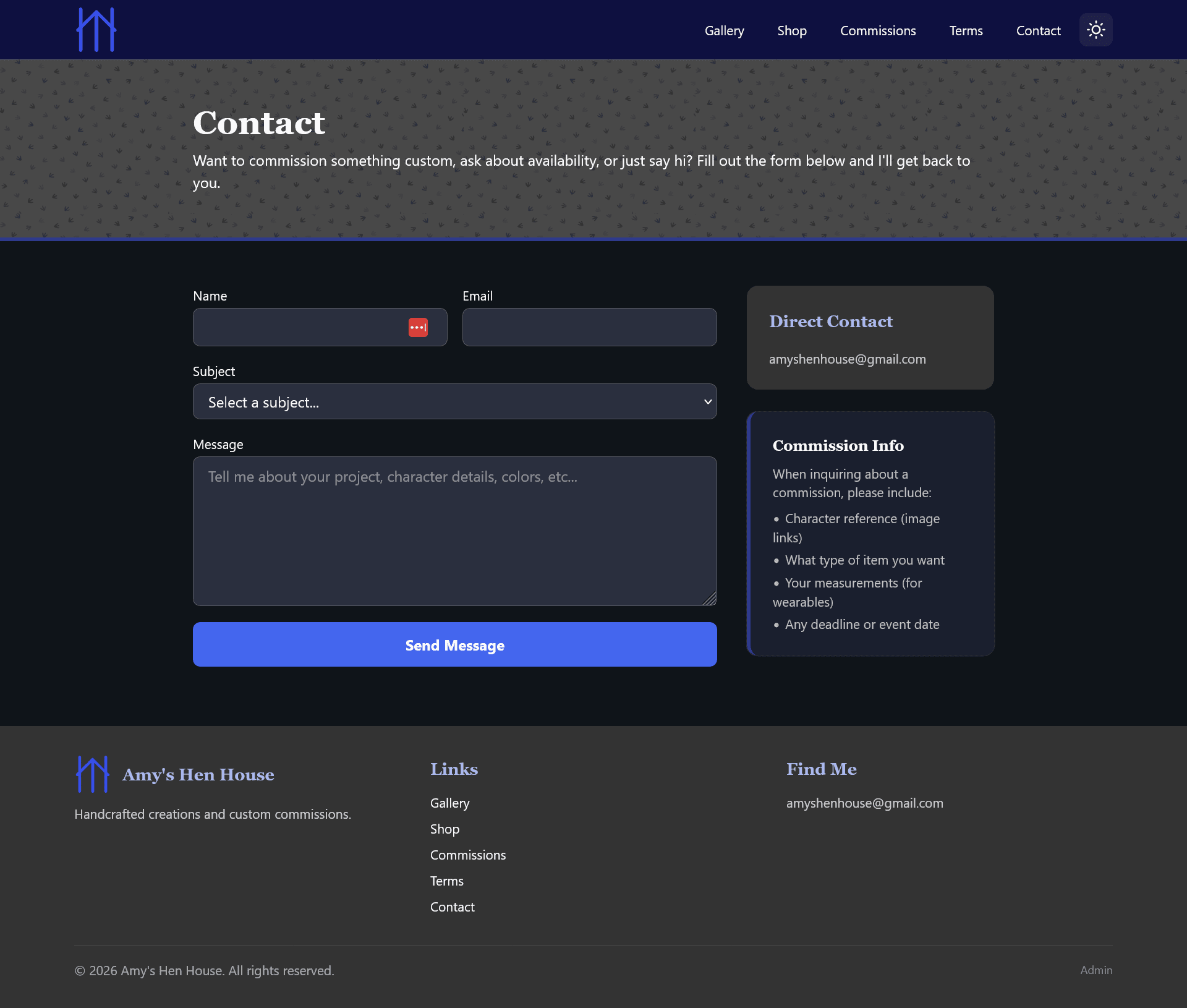
Amy's Hen House
amyshenhouse.com->Handcrafted goods marketplace
- ·Multi-category product browsing
- ·Custom product variant matrix
- ·Fulfillment status tracking
- ·Customer notification emails
- ·Seller admin panel
Screenshots
Technical Highlights
- ->CSS variables are the right abstraction for multi-brand theming - not separate codebases, not CSS-in-JS, not runtime theme switching.
- ->Making the database schema payment-processor-agnostic from day one meant the two deployments can run different payment providers with zero schema differences.
- ->40-60% velocity improvement after the first deployment covers the upfront investment in the framework quickly.
- ->Two businesses that look and feel completely different can share 95% of their infrastructure - the theming system does the heavy lifting.